 LOG in

Industry Intelligence
Filter by:

Louise Penn
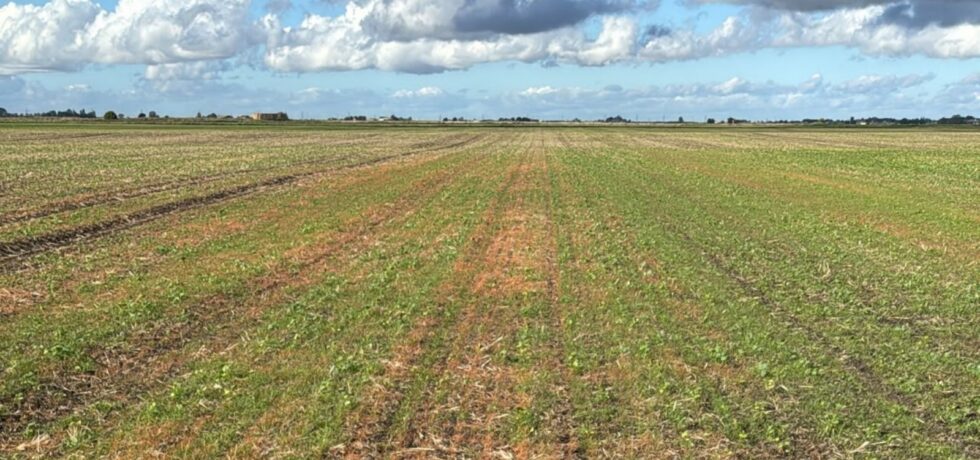
Oct, 16 2026Is it time to rethink the autumn herbicide programme? With exceptionally dry conditions challenging the performance of residual chemistry, we explore whether growers should be changing things up - and where herbicide spend could deliver the greatest value this season.


Dr Dannielle Robb
Oct, 16 2026Catchment AI joined us on Agronomy Club this month to give us their weather predictions over the next few weeks and months using long-range forecast modelling, to help guide and support on-farm decision making with autumn herbicides.

Ceres Research
Oct, 15 2026This month's Agronomy Club covered weather predictions with AI probability modelling with Catchment AI, BYDV season updates, grassweed control and herbicide decisions. We also covered alternative funding streams following the closure of the second SFI 26 window.
Dr Dannielle Robb
Oct, 21 2026Innovation can help farming businesses respond to uncertainty. Its value depends on solving real problems, demonstrating results and giving farmers the confidence to adopt changes that suit their business. Resilience means something different on every farm. For one business, the priority might be coping with difficult growing conditions. For another, it could be managing input […]
Dr Dannielle Robb
Oct, 08 2026This month’s digest covers Water Company scheme opportunities, updates on SFI Window 2, latest innovations including the Ceres Innovation Group, habitat maps for England, slug risk maps, soil physical resilience and a new beneficial insect attractant for aphids. The Digest also covers a Market Snapshot: providing you with a high-level overview of this month's commodity prices.
Ceres Research
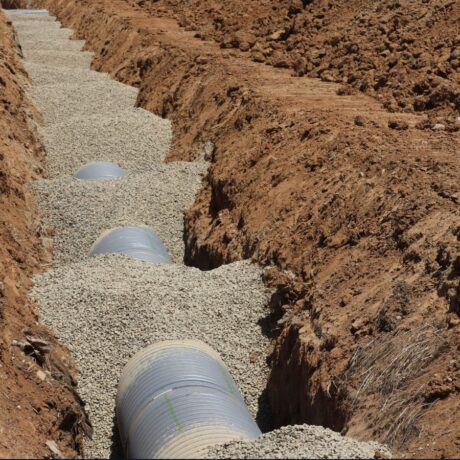
Oct, 07 2026This Skills Webinar from William Morfoot covers a brief recap of Spring 2026 weather, understanding the basics of land drainage, drainage investment, the importance of gross margin, and example schemes.
Ceres Research
Oct, 07 2026
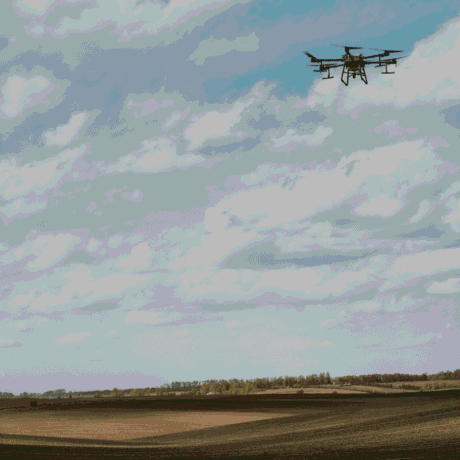
Drones are becoming an increasingly visible part of the agricultural technology landscape. Their potential extends well beyond aerial photography. Used correctly, drones can help farmers and advisers identify variation, investigate problems more quickly and make better-informed decisions. However, the value of any new technology depends on whether it solves a genuine problem, fits existing work […]

Dr Dannielle Robb
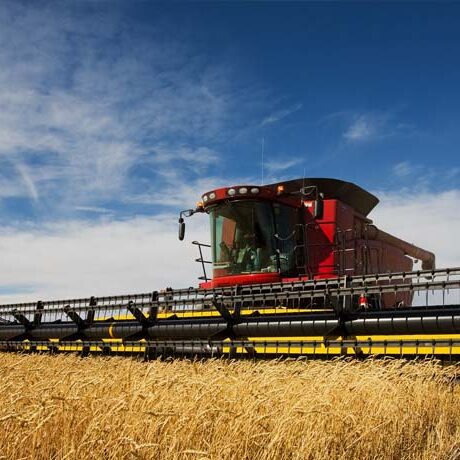
Oct, 02 2026Each month, we update you on fuel prices which relate to our industry in order to help you benchmark and forecast your costs. This information is part of our endeavour to ensure we support you, our members, in the effective day-to-day running of your rural businesses.

Louise Petrakas
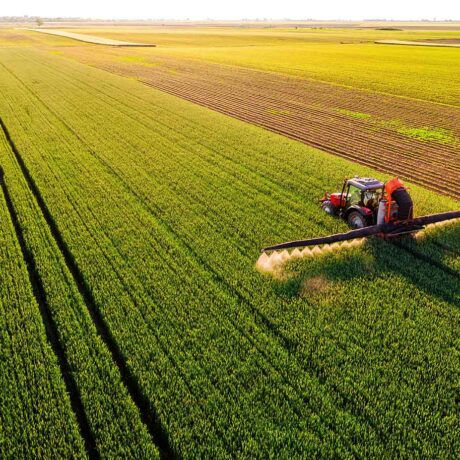
Sep, 30 2026This interactive dashboard provides a clear and visual comparison of 2025 crop yields across UK farms. It enables members to compare their farm’s average yields against anonymised regional and national datasets for a range of key combinable crops to support informed benchmarking activities. Use this tool to engage in meaningful comparisons, understand yield variability, and drive continuous improvement on-farm.
Ceres Research
Sep, 29 2026Each month, Ceres works with manufacturers and distributors to provide up to date information on this seasons pricing. Click though to access the latest Ceres Chemical list. Ceres Best Buy Members only.