LOG in

El Niño, La Niña and the 2027 Growing Season

Dr Dannielle Robb
Mar, 25 2026The UN’s latest warning highlights that Earth’s climate is now more out of balance than at any point in recorded history, with a developing El Niño expected to kick in later this year. For farmers and growers, understanding what El Niño and La Niña actually are – and how they’ve shaped weather patterns in previous years – is essential for planning the 2027 season.
What Are El Niño and La Niña?
El Niño
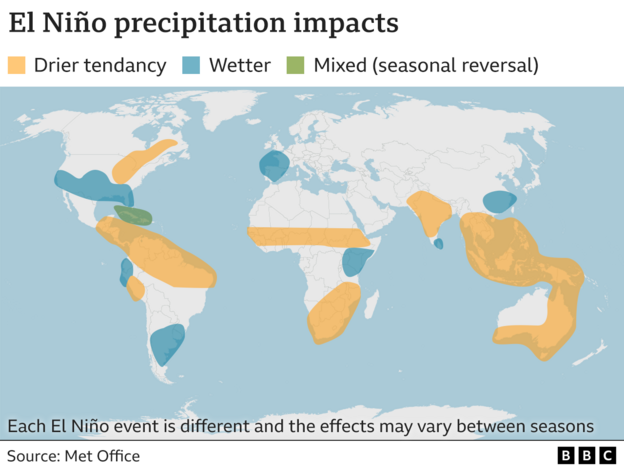
El Niño is a natural climate pattern where warm water builds up in the central and eastern Pacific Ocean. This shifts global atmospheric circulation and tends to raise global temperatures, often contributing to record-breaking heat years. Scientists warn that the upcoming El Niño could bring further heat records as the climate is already in a state of extreme “energy imbalance”.
Typical global impacts:
- Hotter global temperatures
- Increased drought risk in some regions
- Flooding and intense rainfall in others
- Disruption of normal storm tracks
La Niña
La Niña is the opposite phase – cooler‑than‑normal waters in the Pacific, which often temporarily dampen global temperatures. For example, 2025 was slightly cooler than 2024 (relatively speaking) due to a La Niña phase, despite being one of the warmest years on record overall.
Typical global impacts:
- Cooler global averages
- Stronger Atlantic hurricane seasons
- Wetter conditions in some regions, drier in others
- Altered jet stream patterns
How El Niño and La Niña Have Affected the World in Previous Years
Global Impacts
El Niño years are strongly associated with:
- Severe drought in parts of Africa, Australia and South America
- Major flooding in South America and Asia
- Greater crop failures, reduced harvests, and global commodity volatility
- Increased wildfire activity in drought‑stricken regions
The 2024/25 period saw one of the three warmest years ever recorded, boosted by El Niño, and coincided with record ocean heat, glacier loss and low polar sea‑ice levels.
La Niña years, by contrast, often:
- Increase moisture in some agricultural regions
- Reduce heat stress globally
- Delay heat‑driven pest pressure in some crops
However, La Niña does not undo long‑term warming, it only temporarily slows the pace.
How Past El Niño/La Niña Events Have Affected the UK
While the UK is far from the Pacific, these events influence the position and strength of the jet stream, which shapes UK weather. We briefly spoke about how surface air pressure and other northern hemisphere climatic patterns impact UK weather in one of our monthly Agronomy Clubs back in May.
Past patterns have included:
El Niño influences on the UK
- Milder, wetter winters
- Increased storminess
- Higher risk of winter flooding, affecting early fieldwork
- More variable springs, with rapid swings between warm/dry and cool/wet spells
La Niña influences on the UK
- Colder winters with an increased chance of cold snaps
- Fewer intense winter storms
- Potentially drier summers, though not reliably so
These patterns aren’t guaranteed, but they increase the likelihood of certain conditions.
What the UN Warning Suggests for 2027 Growing Conditions
Scientists warn that the upcoming El Niño in the latter half of 2026 is developing in a world already experiencing extreme heat accumulation. The World Meteorological Organization notes that the Earth has reached a record “energy imbalance”, storing more heat than ever before due to high greenhouse gas concentrations. This additional heat intensifies El Niño’s effects.
What farmers and growers may face in 2027:
1. Higher temperatures during key growth stages
- Increased risk of heat stress at flowering/grain fill
- Faster evaporation and reduced soil moisture
- Greater irrigation needs on light soils
2. More intense rainfall events
With ocean and atmospheric heat at record highs, storms could be more vigorous:
- Short, high‑impact rainfall bursts leading to waterlogging
- Increased soil erosion risk
- Narrower spraying and drilling windows
3. Greater pest and disease pressure
Warming combined with El Niño‑driven humidity can:
- Accelerate fungal disease cycles (septoria, rusts, blight)
- Extend activity periods for pests such as aphids
4. Challenges for winter crops and establishment
If El Niño delivers a mild, wet UK winter, growers may face:
- Difficult drilling conditions
- Poor slug control opportunities
- Waterlogged soils slowing root establishment
Practical Steps to Prepare for a Potential El Niño‑Driven 2027 Season
- Diversify varieties for resilience to heat, disease and variable conditions
- Focus on soil structure and organic matter to buffer water extremes
- Review drainage and cultivation approaches to handle intense rainfall – Ceres Research Members have access to the latest Farming Update Plus publication which focuses on future-proofing land drainage, available here.
- Strengthen monitoring of pests and diseases, especially early‑season
- Build flexibility into drilling plans and consider multiple drilling windows